
Valley of Flowers
The Valley of Flowers, located in the Western Himalayas of Uttarakhand, is one of India's most enchanting and breathtaking natural wonders. Known for its vibrant meadows filled with a stunning variety of wildflowers, this UNESCO World Heritage Site is a paradise for nature lovers, trekkers, and photographers. The valley’s unique beauty, with its rich biodiversity, serene environment, and captivating landscapes, attracts travelers seeking peace, adventure, and an escape into nature.
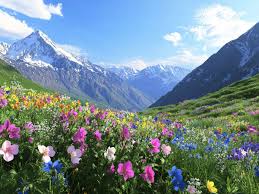
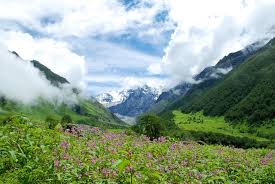
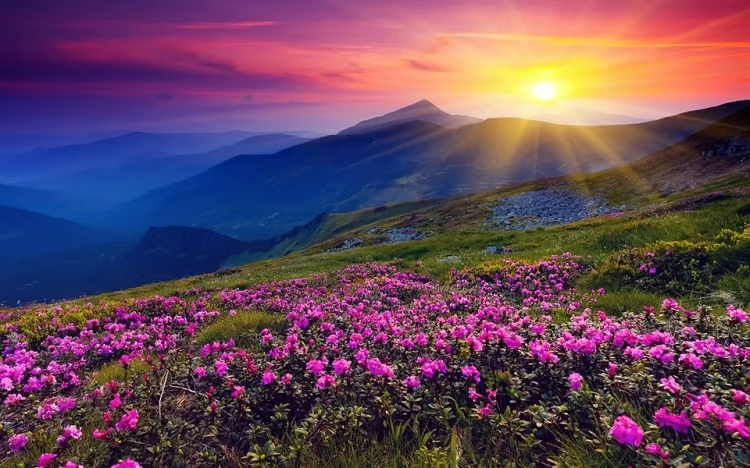
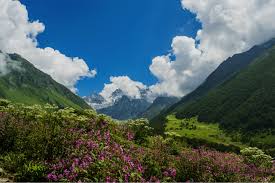
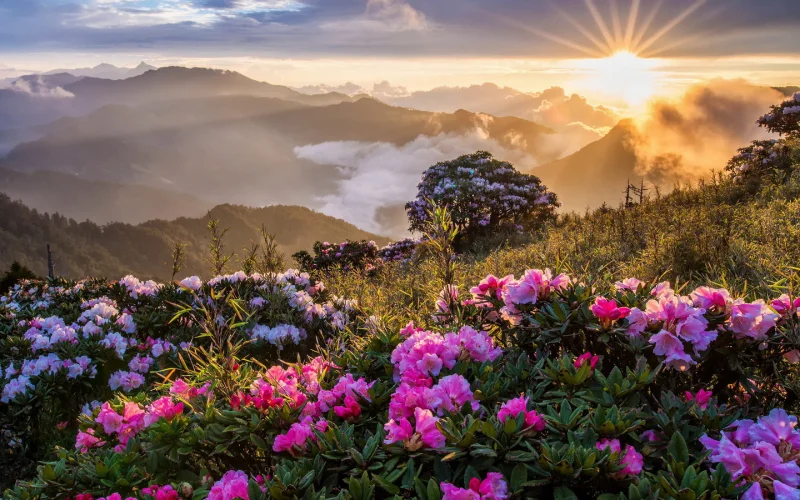
The valley is set against the backdrop of towering snow-capped mountains, pristine rivers, and dense forests. It is home to over 500 species of wildflowers, including orchids, poppies, daisies, and primulas, which blanket the valley in a kaleidoscope of colors during the blooming season. The sight of these flowers swaying in the cool mountain breeze, surrounded by majestic peaks and alpine meadows, makes for a truly magical experience.
The journey to the Valley of Flowers itself is an adventure, requiring a trek through the scenic and rugged terrain of Govindghat, the base for the trek. From here, travelers embark on a 16 km trek that winds through lush forests of deodar, rhododendron, and oak trees, crossing over streams, bridges, and waterfalls along the way. The trek takes visitors through Ghangaria, a small village nestled amidst the mountains, which serves as the final stop before entering the Valley of Flowers.
Once inside the valley, visitors are greeted with a mesmerizing expanse of colorful wildflowers set amidst a landscape that seems almost otherworldly. The valley is open to visitors from July to September, which is when the flowers are in full bloom. During this period, the valley comes alive with colors, and the atmosphere is filled with the fragrance of wildflowers. In addition to flowers, the valley is home to a wide variety of wildlife, including the Himalayan monal, the state bird of Uttarakhand, musk deer, snow leopards, and many species of butterflies.
For those seeking a more tranquil experience, the valley offers ample opportunities for nature walks, photography, and quiet reflection. The valley’s serene environment, with the sound of birds chirping and the rustling of the wind through the flowers, creates a peaceful atmosphere perfect for meditation and solitude.
Beyond the valley itself, the surrounding areas are also worth exploring. The nearby Hemkund Sahib, a revered Sikh pilgrimage site, is a popular destination for travelers making the trek to the Valley of Flowers. The holy Hemkund Lake, located at an altitude of 4,329 meters, is surrounded by snow-capped peaks and is a spiritual place for many visitors. The combination of natural beauty and spiritual significance adds to the allure of the entire region.
The climate in the Valley of Flowers is alpine, with temperatures ranging from 5°C to 15°C during the summer months. Winters, from October to April, bring heavy snowfall, making the valley inaccessible. The best time to visit is between July and September, when the flowers are in full bloom and the weather is perfect for trekking.
Accommodation near the Valley of Flowers is available in Govindghat and Ghangaria, where trekkers can find basic guesthouses, hotels, and campsites. For those seeking a more rustic experience, camping in the valley itself is also an option, allowing visitors to fully immerse themselves in the natural beauty of the surroundings.
The Valley of Flowers offers an unparalleled experience for those who appreciate nature's beauty and wish to explore one of India's most stunning landscapes. Whether you're trekking through lush forests, marveling at the wildflower blooms, or reflecting in the tranquility of the mountains, the Valley of Flowers is a must-visit destination for anyone seeking a connection to nature, adventure, and peace. The magical landscape, combined with its rich biodiversity and spiritual significance, makes it an unforgettable journey into the heart of the Himalayas.
Most Popular Packages